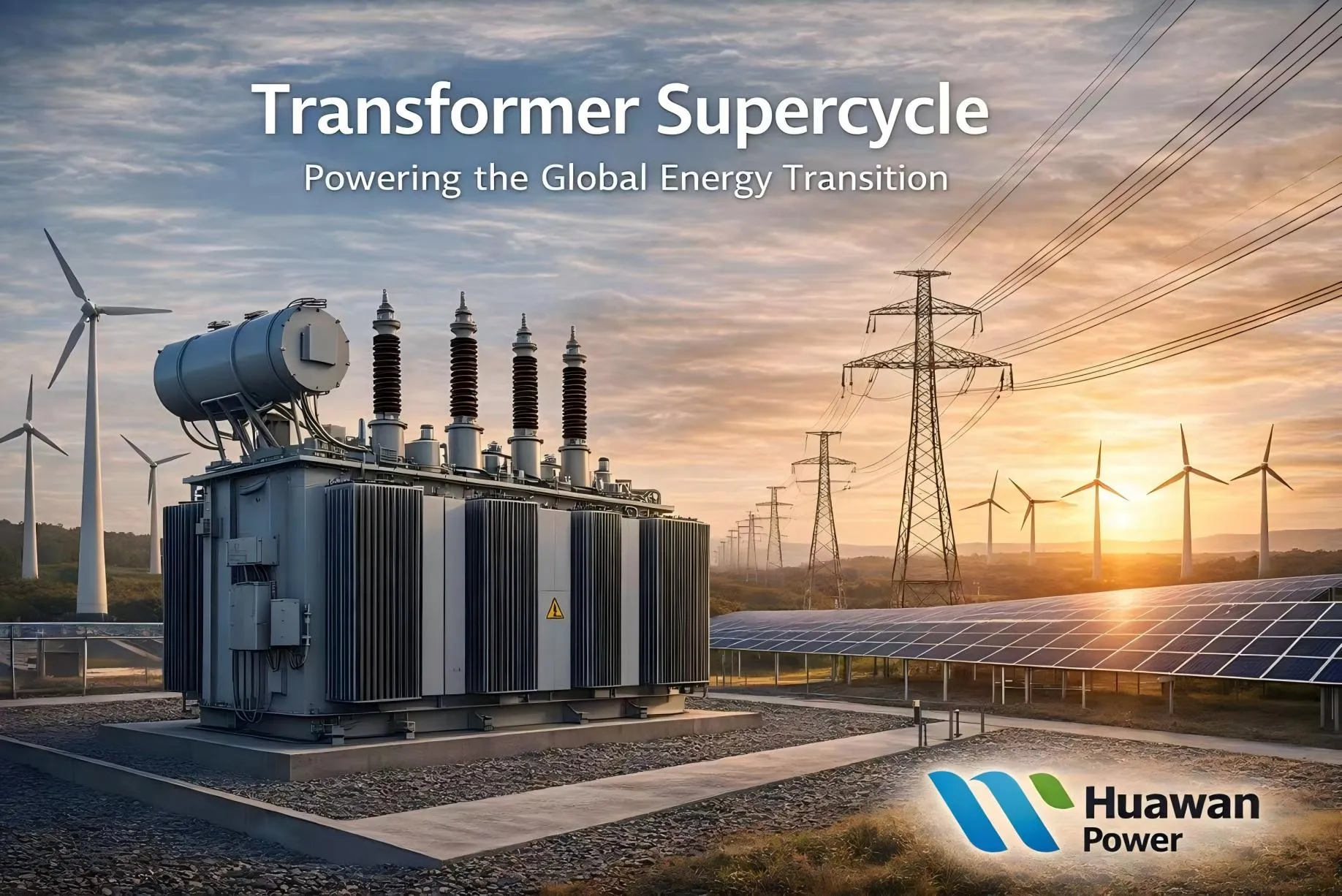
High-Altitude Transformer Design for 4000m–4500m Projects in Peru and Latin America
In Latin America, many power distribution, mining and renewable energy projects are located in high-altitude regions. Countries such as Peru, Bolivia, Chile and Colombia include mountain and plateau areas where transformers may need to operate at 3000m, 4000m or even 4500m above sea level.
At Anhui Huawan New Energy Co., Ltd. (Huawan), we understand that high-altitude transformer projects require more than standard electrical ratings. When a transformer is installed at 4000m or 4500m, the design must consider cooling performance, temperature rise, external insulation, bushing creepage distance, air clearance, oil system, nameplate marking and technical documentation consistency.
For projects in Peru and other Latin American highland regions, operating altitude, ambient temperature, humidity, insulation level, bushing creepage distance and testing standards are usually treated as design input conditions. Huawan confirms these requirements during quotation and technical clarification to reduce risks during drawing approval, factory testing and site acceptance.
1. Why High Altitude Affects Transformer Design
IEC 60076-1 generally defines normal service conditions based on an altitude not exceeding 1000m. When the operating altitude is above 1000m, it becomes a special service condition that should be agreed between the purchaser and the manufacturer.
High altitude affects transformers mainly in two ways.
First, cooling performance is reduced. As altitude increases, air density decreases. Natural air convection becomes weaker, reducing the heat dissipation capability of the transformer tank, radiators or dry-type transformer cooling ducts. Under the same loss level, a transformer installed at high altitude may have less thermal margin than a transformer installed at low altitude.
Second, external insulation performance is affected. Lower air density reduces air dielectric strength. Therefore, bushings, external live parts, phase-to-phase clearance and phase-to-earth clearance must be checked according to the specified operating altitude.
For this reason, Huawan treats altitude as a design input condition, not only as a simple nameplate statement.
2. How to Specify 4000m or 4500m Operating Altitude
For high-altitude projects in Peru, Bolivia or Chile, Huawan recommends that the operating altitude requirement should be clearly written into the technical agreement together with insulation, temperature-rise and testing conditions.
For 4500m applications, the project should be treated as an extreme high-altitude condition. Oil-immersed transformers should focus on bushing external insulation, air clearance, conservator or breather system, sealing design and thermal margin. Dry-type transformers require special attention to reduced air-cooling efficiency and may need enlarged ventilation channels, lower losses or forced-air cooling.
3. Temperature Rise Design for High-Altitude Transformers
IEC standards do not require a fixed design method such as “more radiators must be added” or “losses must be reduced.” The purpose is to ensure that the transformer meets the corrected temperature-rise limits under the specified high-altitude operating conditions.
For oil-immersed transformers, IEC 60076-2 requires the impact of reduced air-cooling performance to be considered when the altitude is above 1000m. In engineering practice, temperature-rise compliance can be achieved by reducing losses, increasing cooling surface, optimizing oil flow and winding structure, using higher-grade insulation materials and reserving proper thermal margin.
For dry-type transformers, IEC 60076-11 focuses on the reduced air-cooling efficiency at high altitude. Dry-type transformers above 4000m usually require a dedicated thermal review and may need larger air ducts, stronger ventilation, lower losses or forced-air cooling.
Design Measure
Purpose
Reducing no-load and load losses
Lower heat generation
Increasing radiator or cooling surface
Improve natural cooling
Optimizing oil flow and winding structure
Improve internal heat transfer
Using higher-grade insulation materials
Improve long-term thermal stability
Applying proper temperature-rise margin
Meet altitude-corrected limits
Providing calculation or type test support
Support technical approval and acceptance
Huawan designs transformers below 35kV and 31.5MVA according to project-specific operating altitude, ambient temperature, cooling method, loss requirements and insulation levels.
4. BIL and Insulation Levels for High-Altitude Projects
For high-altitude applications, BIL and external insulation must be carefully reviewed. BIL is related to the highest system voltage Um, not only the nominal voltage. In mountain, mining and lightning-prone areas, customers often require enhanced lightning impulse withstand levels.
The following table provides common reference values for 10kV, 22.9kV and 33kV transformer applications in Latin America. Final values should always follow the project specification, highest system voltage Um and utility approval.
Nominal System Voltage
Highest System Voltage Um
Common BIL
Enhanced BIL for High Altitude / Lightning Areas
Typical Latin America Application
10kV
12kV
75kV
95kV
Frequently used in Peru distribution projects
22.9kV
24kV / 25.8kV
125kV
150kV
Common in Latin American distribution networks
33kV
36kV
170kV
200kV
Used in plateau, mining and renewable projects
For high-altitude projects, it is not enough to state “IEC 60076 compliant.” The datasheet, drawings, nameplate and test documents should clearly show the relationship between operating altitude and insulation level.
5. Creepage Distance and Altitude Correction Are Different Requirements
In high-altitude transformer projects, bushing design often involves both creepage distance and altitude correction. These two requirements should not be confused.
Creepage distance is mainly related to pollution level and should be calculated based on the highest system voltage Um. A specific creepage distance of 25mm/kV is commonly used for heavy pollution environments, while 31mm/kV is commonly used for very heavy pollution environments such as coastal areas, salt fog, plateau dust or severe contamination.
High altitude does not automatically increase creepage distance, but it affects air insulation strength. Therefore, air clearance and external withstand voltage should be corrected for altitude. When a project has both high altitude and heavy pollution, the bushing should satisfy both the creepage distance requirement and the altitude-corrected external insulation requirement.
Project Condition
Design Concern
Huawan Recommendation
High altitude
Lower air dielectric strength
Check external insulation, air clearance, power-frequency withstand and lightning impulse withstand levels
Heavy pollution or salt fog
Higher flashover risk on bushing surface
Select 25mm/kV, 31mm/kV or higher creepage distance
High altitude + heavy pollution
Combined insulation and pollution requirements
Meet both creepage distance and altitude-corrected external insulation requirements
6. Adding Operating Altitude to the Transformer Nameplate
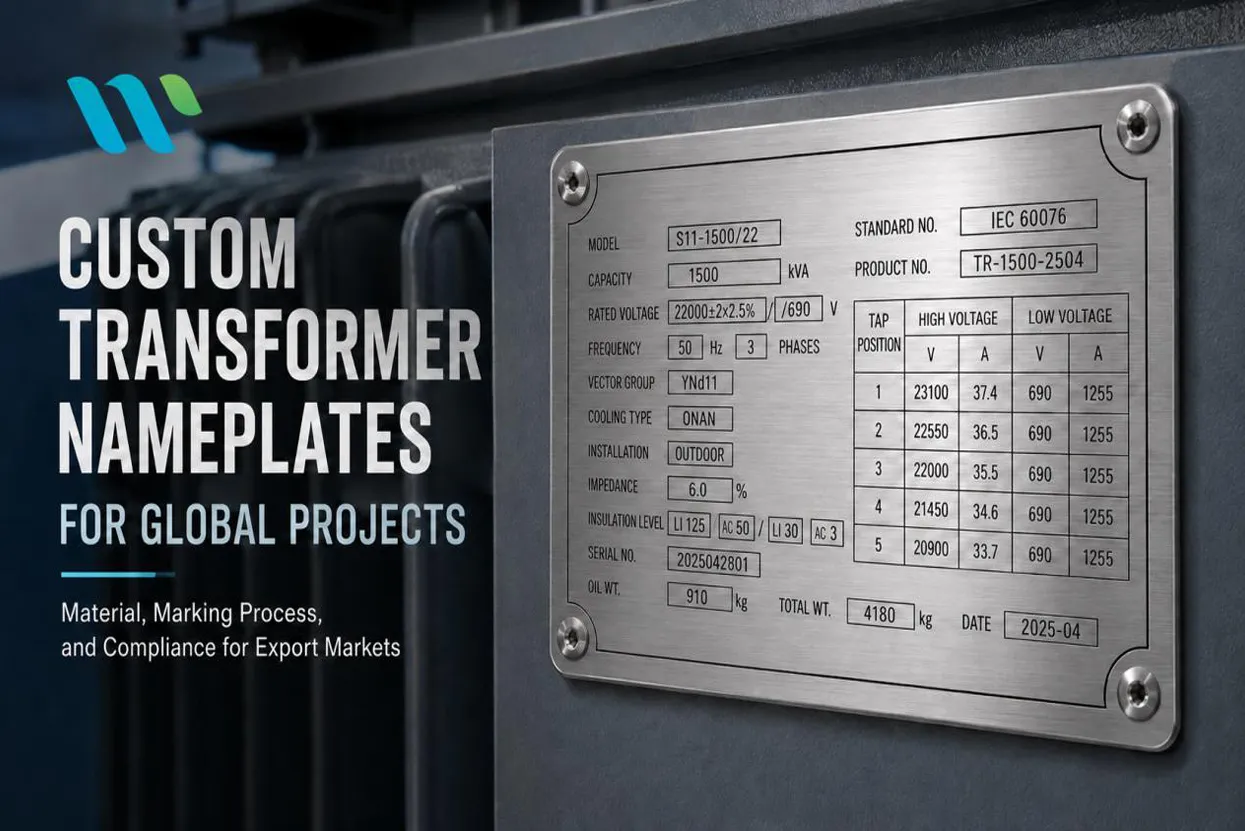
For high-altitude projects, Huawan recommends adding Operating Altitude to the transformer nameplate. Although IEC standards do not require this field for every transformer, it is practical for Latin American highland projects because it supports site acceptance, maintenance and asset management.
For high-altitude projects in Peru and similar markets, Huawan recommends using stainless-steel or corrosion-resistant nameplates. The nameplate and technical documents should show rated power, phases, frequency, rated voltage, tap range, vector group, cooling method, insulation level, short-circuit voltage, oil weight, total weight, operating altitude, year of manufacture, serial number, phase identification and PCB-Free / Libre de PCB marking where required.
Nameplate Field
Purpose
Operating Altitude
Confirms altitude suitability
Insulation Level
Supports external insulation verification
Cooling Method
Shows ONAN, ONAF, AN or AF cooling
Temperature Rise
Supports high-altitude thermal acceptance
Rated Voltage / Um
Links to insulation design
BIL
Shows lightning impulse withstand level
Creepage Distance
Supports bushing selection
Oil Weight / Total Weight
Supports installation and logistics
Serial No.
Links nameplate with test reports
PCB-Free / Libre de PCB
Supports environmental compliance
7. Oil-Immersed and Dry-Type Transformers for High Altitude
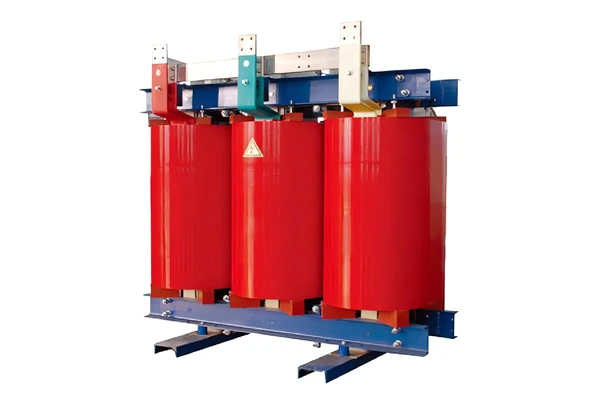
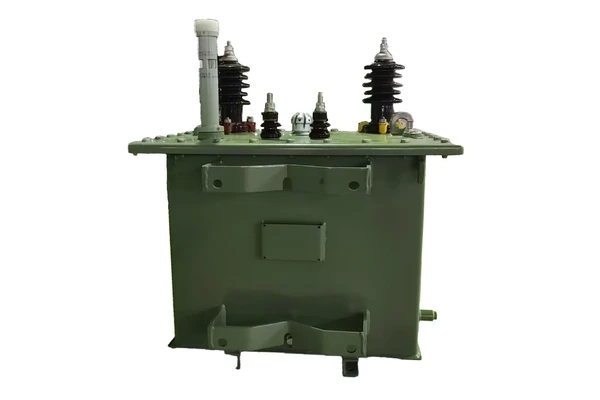
Huawan can provide oil-immersed and dry-type transformers below 35kV and 31.5MVA. For high-altitude projects, the design focus is different for each type.
Transformer Type
High-Altitude Application
Key Design Focus
Oil-immersed transformer
Suitable for 4000m–4500m projects with proper design
Radiators, bushings, air clearance, oil system, sealing or breather system
Dry-type transformer
Requires careful thermal review, especially above 4000m
Air ducts, thermal margin, forced cooling, insulation materials, enclosure ventilation
Prefabricated substation
Requires integrated review of transformer, switchgear and enclosure
For projects above 4500m, Huawan recommends a dedicated technical review before quotation or contract signing, including operating altitude, ambient temperature, load rate, cooling method, temperature-rise limit, insulation level and testing method.
8. Test Reports and Technical Documentation
High-altitude transformer projects usually require supporting documents such as temperature-rise test reports, dielectric test reports, lightning impulse test reports, routine test reports, oil test reports and design explanations.
Huawan does not recommend publicly displaying third-party type test or temperature-rise test report images on marketing pages, because these reports may be controlled documents involving copyright, client information or commercial confidentiality.
For tenders and project submissions, Huawan can provide complete test reports and technical documents according to contract requirements.
9. Huawan Support for High-Altitude Transformer Projects
For high-altitude transformer projects in Peru and Latin America, Huawan can support customers with:
· High-altitude service condition confirmation, including installation altitude, ambient temperature, humidity, pollution level and installation method.
· Temperature-rise and cooling design optimization through loss control, radiator optimization, tank structure design, ventilation design or forced cooling.
· Insulation level and bushing selection based on Um, BIL, power-frequency withstand voltage, air clearance, creepage distance and pollution level.
· High-altitude transformer nameplates including Operating Altitude, Insulation Level, BIL, Temperature Rise, Cooling Method, Oil Weight, Total Weight and Serial No.
· Spanish technical documentation, including Spanish nameplates, datasheets, drawing title blocks, operation manuals and packing labels.
· Consistency review of test and delivery documents to ensure key data in the nameplate, datasheet, drawings, test reports and packing documents are consistent.
For high-altitude transformer projects in Peru and other Latin American markets, capacity, voltage and price are not the only key factors. Operating altitude, temperature-rise limits, external insulation level, bushing creepage distance, BIL, cooling design and documentation consistency can all affect project acceptance and long-term reliability.
At Anhui Huawan New Energy Co., Ltd., we believe high-altitude transformer requirements should be confirmed from the technical agreement stage. For transformers below 35kV and 31.5MVA, Huawan can provide customized solutions for high-altitude, heavy-pollution, humid, coastal and other complex environments.
If you are preparing a transformer project in Peru, Bolivia, Chile or other high-altitude regions in Latin America, contact Huawan for high-altitude transformer design, nameplate and technical documentation support.
 EN
EN
 fr
fr  de
de  es
es  th
th  ru
ru  tr
tr  pt
pt  ar
ar  ms
ms  id
id